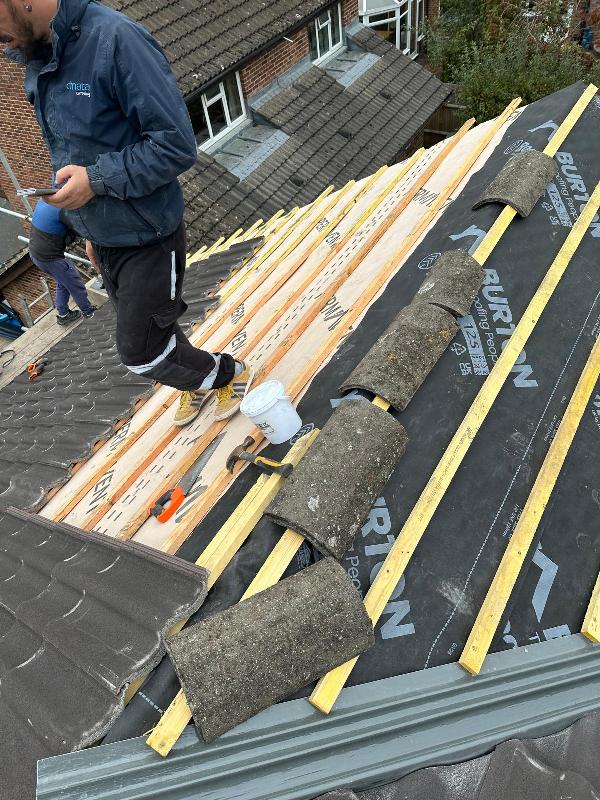
Commercial roofing marketing looks simple from the outside: get found, get calls, bid projects, grow. In practice, it’s a very different game from residential roofing. The sales cycle is longer, project values are higher, and the people signing contracts usually care less about curb appeal and more about lifecycle cost, tenant disruption, warranty coverage, safety, and compliance.
That changes everything.
At Divramis, our roofer SEO agency team has spent over a decade helping roofing companies, contractors, and local home-service businesses climb Google’s rankings with white-hat strategies, transparent reporting, and measurable lead growth.
If we want better commercial leads, we can’t rely on broad, homeowner-style tactics and hope the right buyers show up. We need a system that earns trust before the first meeting, puts our company in front of property managers and facility leaders at the right moment, and tracks which channels actually turn into bids and revenue.
In this guide, we’ll walk through the commercial roofing marketing strategies that matter most today, from positioning and local SEO to case studies, paid campaigns, and ROI tracking, so we can build a stronger pipeline instead of chasing random quote requests.
Why Commercial Roofing Marketing Requires A Different Approach
Commercial roofing marketing is not just residential marketing with bigger job photos.
The core difference is the buyer. In residential roofing, we’re often speaking to a homeowner making a relatively fast decision after storm damage or a visible leak. In commercial roofing, we’re usually dealing with property managers, facility directors, asset managers, general contractors, developers, or ownership groups. That means more stakeholders, more scrutiny, and a much longer path from first click to signed contract.
These buyers are evaluating risk as much as price. They want to know whether we understand roof systems, scheduling around occupied buildings, manufacturer requirements, safety procedures, documentation, and long-term maintenance planning. They’re not looking for the loudest promotion. They’re looking for a partner who seems competent before they ever call.
That’s why commercial roofing marketing has to emphasize authority, proof, and relevance. Broad lead-gen tactics can bring traffic, sure, but traffic alone doesn’t fill a commercial pipeline. We need messaging built around ROI, energy efficiency, repair-versus-replace decisions, and lifecycle cost. We also need patience. A prospect might discover us today, request a site walk months later, and award the project after a budget cycle changes. If our marketing isn’t designed for that reality, we’ll underperform even with decent visibility.
Define Your Ideal Commercial Roofing Clients And Service Mix
Before we invest in SEO, ads, or content, we need clarity on who we actually want more of.
“Commercial” is too broad to guide smart marketing. A retail center owner with recurring leak issues is different from a manufacturing facility planning a full TPO replacement. A developer bidding new construction has different concerns than a school district comparing repair options across multiple buildings.
So we should narrow our ideal commercial roofing clients by segment, geography, building type, and job type. For example:
- Property managers for multi-site retail and office properties
- Industrial owners with flat or low-slope roofing systems
- Healthcare or education facilities needing strict scheduling and compliance
- General contractors seeking dependable commercial roofing subcontractors
Then we align that with our service mix. Which services are most profitable? Which ones create repeat work? Which ones lead to larger replacement projects later?
For many contractors, the strongest mix includes high-margin repairs, preventative maintenance programs, inspections, coatings, TPO/PVC systems, and full replacements on flat or low-slope roofs. Maintenance is especially valuable because it creates recurring touchpoints and often surfaces future bid opportunities.
This is also where referral strategy matters. Relationships with HVAC companies, building envelope consultants, commercial painters, and property service firms can produce warmer leads than random inbound traffic. In many industries, referrals convert dramatically better than cold traffic, and commercial roofing is no exception. When we know our ideal account and ideal service, our marketing stops being generic and starts becoming useful.
Read more: Expert SEO and web design services for higher rankings
Build A Website That Supports High-Value Roofing Leads
A commercial roofing website should do more than look professional. It should help serious buyers quickly confirm three things: we do this type of work, we’ve done it before, and we’re credible enough to contact.
Too many roofing sites still feel built for everyone. They mention residential and commercial on the same page, bury service details, and make high-value buyers work too hard to find proof. That’s a problem. If a facility manager lands on our site after searching for a specific system, and the page feels vague, they’ll bounce.
A stronger commercial roofing marketing website usually includes:
- A clear commercial-focused navigation structure
- Dedicated pages by service and roof system
- Industry or property-type pages where relevant
- Strong regional signals for target service areas
- Project photos, case studies, certifications, and warranties
- Clear conversion paths like quote requests, inspections, or consultations
It also needs technical basics dialed in: fast load speed, mobile usability, crawlable page structure, internal linking, and properly optimized title tags and meta descriptions. Even in B2B, people are still judging us in seconds.
And while website copy should be SEO-aware, it can’t read like keyword soup. Commercial buyers notice fluff. Specificity wins. Mentioning occupied-facility coordination, roof asset planning, maintenance documentation, or manufacturer-approved systems says much more than generic claims about “quality service.”
Create Service Pages For Core Commercial Roofing Opportunities
This is one of the highest-leverage moves we can make.
Instead of one catch-all commercial page, we should create focused service pages around the work buyers actually search for and buy, such as:
- Commercial roof repair
- Flat roof replacement
- TPO roofing installation
- PVC roofing systems
- Roof coatings
- Preventative maintenance programs
- Emergency leak response
- Industrial roofing solutions
Each page should explain where the service fits, common building types, signs a prospect may need it, our process, and why it matters financially. Adding FAQs, photos, warranty information, and nearby service areas can make these pages much more useful.
Done right, they help us rank for more specific commercial roofing searches and attract leads that are closer to action, not just people browsing.
Strengthen Local SEO For Regional Commercial Visibility
Commercial roofing may be a B2B service, but local SEO still matters, a lot.
Many buyers search by metro, county, or region: “commercial roofing contractor Dallas,” “flat roof repair near me,” or “industrial roofing company in Phoenix.” If we’re invisible in those regional searches, we’re missing high-intent demand.
Read more: How the startup Ignite service accelerates online growth
The first step is tightening our geographic targeting. We should build location signals into our commercial service pages, create useful regional landing pages where appropriate, and keep our business name, address, and phone details consistent across directories. Thin, duplicated city pages won’t help much. Real local relevance will.
Google Business Profile remains important here, even for commercial contractors. A fully optimized profile with updated services, project photos, review activity, and service-area settings can improve visibility in map results and reinforce trust. Reviews matter more than many contractors think. They may not close the deal alone, but they support credibility during the shortlist stage.
We should also seek citations in respected local and industry directories, chambers, trade associations, and supplier networks. These mentions strengthen local authority and can drive referral traffic.
One more thing: local SEO for commercial roofing isn’t only about ranking in one city. It’s about owning the region we actually serve. If our crew can mobilize across a multi-city territory, our content and profile strategy should reflect that. Better regional visibility often means better-fit opportunities, not just more impressions.
Use Case Studies And Project Proof To Build Buyer Confidence
Commercial buyers rarely make decisions based on marketing claims alone. They want evidence.
That’s why case studies are one of the most practical assets in commercial roofing marketing. A good case study helps a prospect picture us solving a similar problem on a similar building, under similar constraints. It shortens the trust gap.
And that matters because social proof influences buying behavior in a big way. Multiple studies across B2B marketing continue to show that buyers rely heavily on reviews, testimonials, and proof from past customers before engaging a vendor.
Strong project proof can include:
- Before-and-after photos
- Building type and roof system details
- The customer’s challenge
- Scope of work and timeline
- Safety or occupancy considerations
- Results, such as reduced leaks, extended roof life, or avoided disruption
- A direct client quote, if available
The more concrete the proof, the better. “Completed a roof replacement” is forgettable. “Replaced 68,000 square feet of aging membrane roofing on an occupied distribution facility while maintaining operations” gets attention.
We should publish these assets on the website, use them in sales follow-up, and repurpose them in email and LinkedIn outreach. Even short project spotlights can work if they’re specific.
This is one area where many competitors stay lazy. They post a few roof photos and call it a portfolio. We can do more. When our project proof reads like real business evidence, not marketing decoration, we become easier to trust and easier to shortlist.
Read more: Managed WordPress hosting options for growing websites
Run Paid Campaigns That Target Decision-Makers, Not Just Traffic
Paid media can absolutely support commercial roofing marketing, but only if we stop treating clicks as the goal.
Commercial campaigns should be built around lead quality, account fit, and conversion path. Otherwise we end up paying for residential traffic, job seekers, and low-intent searches that never turn into bids.
Search ads are usually the strongest starting point because they capture active intent. We can target keywords tied to commercial needs, like system-specific installs, urgent repairs, maintenance programs, or location-based contractor searches. Adding strong negative keywords is critical so residential and irrelevant traffic doesn’t drain budget.
Bing can also be worth testing, especially for commercial audiences in desktop-heavy environments. It often brings lower click costs and surprisingly solid lead quality.
LinkedIn is different. It’s not usually the cheapest lead source, but it can help us get in front of job titles like facility manager, property manager, operations director, or construction executive. That’s useful for awareness, retargeting, and account-based campaigns.
A practical paid strategy often looks like this:
- Search ads for bottom-of-funnel commercial keywords
- Retargeting for site visitors who viewed service or case study pages
- LinkedIn promotion for guides, checklists, or project proof aimed at decision-makers
- Conversion tracking tied to form fills, calls, and qualified meetings
Lead magnets can help, too, if they’re genuinely relevant. Think roof maintenance budgeting guides, replacement planning checklists, or storm damage assessment resources. Not fluffy ebooks. Useful documents buyers might actually save.
The goal isn’t to “go viral.” It’s to stay visible to serious buyers and create more qualified bid opportunities.
Develop Content That Matches The Commercial Buying Cycle
Content works best in commercial roofing when it reflects how buyers actually make decisions.
They usually don’t wake up and request a full replacement out of nowhere. First there’s a problem, or a budget conversation, or a maintenance concern. Then comes research: repair versus replace, coating versus membrane, expected lifespan, energy efficiency, capital planning, vendor selection.
Our content should meet those stages.
Read more: How to make money online with consistent organic traffic
Top-of-funnel topics can address common questions and early pain points, such as leak causes, maintenance planning, or signs a flat roof may be nearing failure. Mid-funnel content can compare options, TPO vs PVC, coatings vs replacement, repair thresholds, warranty considerations. Bottom-funnel content should make choosing us easier through case studies, service pages, FAQs, and process explainers.
Useful commercial roofing content ideas include:
- How to budget for a commercial roof replacement
- Repair vs replacement decision guides
- Roof maintenance checklists for property managers
- Lifecycle cost comparisons by roofing system
- What to expect during an occupied-building replacement
- Regional storm readiness or seasonal inspection guides
This approach builds authority over time and supports SEO in a way paid ads can’t fully replace. It also improves sales conversations. When prospects arrive already educated, we spend less time correcting misconceptions and more time qualifying real opportunities.
The key is to write for actual buyers, not search engines alone. Clear, technical enough to be credible, but not bloated. If a facility manager can skim it and feel smarter in three minutes, we’re probably doing it right.
Track Leads, Bid Sources, And Marketing ROI
If we can’t connect marketing activity to bids and revenue, we’re guessing.
And guessing gets expensive fast in commercial roofing marketing, where one solid opportunity may be worth far more than dozens of weak leads.
At minimum, we should track where every lead came from: organic search, Google Business Profile, paid search, referral, email, LinkedIn, direct traffic, trade association listing, or partner referral. But source alone isn’t enough. We also need to know what happened next.
A better reporting setup follows the full path:
- Lead source
- Lead quality
- Inspection or meeting booked
- Bid submitted
- Bid value
- Close rate
- Revenue won
- Time to close
This is where many contractors discover that their “best” channel by volume isn’t their best channel by profit. Referrals, for example, often convert at much higher rates than colder channels. SEO may produce fewer leads than broad-form advertising, but if those leads are better aligned with target services, the ROI can be stronger.
Call tracking, CRM tagging, form attribution, and simple pipeline dashboards can go a long way. We don’t always need fancy enterprise software: we do need consistency.
It also helps to review marketing by service line. Are TPO pages generating quality opportunities? Are maintenance leads turning into replacement bids? Are some locations producing traffic but no sales?
Read more: Practical organic search training for business owners
When we measure at the bid and revenue level, not just clicks or form fills, we make smarter budget decisions and build a pipeline that’s actually predictable.
Conclusion
Commercial roofing marketing today is less about chasing attention and more about earning confidence. The contractors who win aren’t always the loudest: they’re the ones with clearer positioning, stronger proof, better regional visibility, and tighter follow-through from first visit to final bid.
If we define the right clients, build pages around real commercial services, show project evidence, and track what truly drives revenue, marketing becomes a growth system, not a collection of random tactics.
That’s the shift worth making. Better-fit leads, stronger bids, and a healthier pipeline usually start with smarter focus, not bigger noise.
Key Takeaways
- Commercial roofing marketing requires a different approach than residential, focusing on long sales cycles, high project values, and emphasizing authority and relevance to build trust with property and facility managers.
- Defining ideal commercial roofing clients by segment, geography, and service mix enables targeted marketing efforts that attract high-value leads and foster profitable repeat work.
- A professional website with dedicated service pages and strong regional signals helps serious buyers quickly confirm your expertise and encourages conversions through clear calls to action.
- Local SEO and optimized Google Business Profiles are essential for visibility in regional searches, while citations in industry directories boost credibility and referral traffic.
- Case studies and project proof are critical for building buyer confidence by demonstrating real-world success and reducing decision risk for commercial clients.
- Paid campaigns should target decision-makers with a focus on lead quality and conversion tracking, utilizing search ads, LinkedIn, and retargeting to create qualified bidding opportunities.
Commercial Roofing Marketing FAQs
Why does commercial roofing marketing require a different strategy than residential roofing marketing?
Commercial roofing marketing targets business decision-makers with longer sales cycles and higher project values, focusing on ROI, compliance, and lifecycle costs rather than aesthetics. It requires building authority and trust rather than quick homeowner-style tactics.
How can I define my ideal commercial roofing clients to improve marketing effectiveness?
Narrow your ideal clients by segment, geography, building, and job type—such as property managers for retail centers or industrial owners with flat roofs—and align marketing with your most profitable services and strong referral sources for higher-quality leads.
What are the key elements of a commercial roofing website that supports high-value leads?
A commercial roofing site should have clear commercial-focused navigation, dedicated service and location pages, strong regional signals, project case studies, certifications, and easy conversion paths like quote requests, all optimized for fast load and mobile use.
How can local SEO strengthen my commercial roofing business’s visibility?
Optimize for regional keywords, maintain a consistent business profile on Google Business Profile with photos and reviews, create valuable regional landing pages, and gain citations from local directories and trade associations to boost map rankings and attract serious buyers.
What role do case studies and project proof play in commercial roofing marketing?
Case studies with detailed project descriptions and client quotes build buyer confidence by showing real business results, helping commercial prospects trust your expertise and shorten their decision-making process.
What paid advertising strategies work best for commercial roofing marketing?
Focus paid campaigns on decision-makers using targeted Google search ads for commercial-intent keywords, Bing for cost-effective clicks, and LinkedIn ads to reach facility and property managers, combined with retargeting and useful lead magnets tailored to commercial buyers.
Read More
Discover more from ΕΓΙΝΕ:
- Canada Online Slots: How To Find Safe Sites, Better Bonuses, And Games Worth Playing
- Discover Greece Tours and Travel: Greece Tour Packages, Cruises, and Private Tours
- Escort SEO Company: The Complete Guide To Dominating Search Results
- Athens Escorts In Greece VIP Call Girls
- Βγείτε Πρώτος στη Google: Πρωτη Θεση Google με Αποτελέσματα