A roof in Essex County has to do more than simply cover a building. It has to deal with freeze-thaw cycles, wind-driven rain, summer humidity, heavy snow, ice buildup, and, in many neighborhoods, the quirks of older construction. That combination is exactly why property owners across Northern New Jersey usually can’t rely on one-size-fits-all roofing advice.
At Gikas Roofing New Jersey, we work with homeowners and commercial property owners who need practical answers, not vague promises. Some are trying to extend the life of an aging roof on a century-old home. Others are deciding whether repeated repairs on a flat commercial system still make financial sense. And many just want to know whether storm damage is cosmetic, or the start of a much larger problem.
Our approach is built around thorough inspections, careful pre-project planning, clear communication, and roofing solutions that match the property itself. That matters in Essex County, where rooflines are often complex, access can be tight, and weather conditions can expose shortcuts fast.
In this guide, we’ll walk through what makes Northern New Jersey roofing different, the services available for residential and commercial properties, how to evaluate repair versus replacement, and what to look for when hiring a roofing contractor. If you’re comparing options for your next project, this should give you a much clearer framework for making the right call.
Why Northern New Jersey Roofs Need A Different Level Of Expertise
Roofing in Northern New Jersey is rarely straightforward. In Essex County alone, we see everything from historic homes in established neighborhoods to multifamily buildings, mixed-use properties, and commercial facilities with low-slope systems. Each building type brings a different set of structural and performance demands.
The climate is a major factor. Roofs here are exposed to rapid temperature swings, snow loads, ice dam risks, strong wind gusts, and long periods of moisture. Those conditions can stress shingles, flashing, underlayment, sealants, and ventilation systems in ways that milder climates simply don’t. A roof that looks acceptable in dry weather may start leaking during a wind-driven rainstorm because a detail around a chimney, dormer, parapet, or valley was never installed correctly.
That’s why we approach roofing as a system rather than a surface. Proper drainage, attic ventilation, flashing integration, material compatibility, and staging logistics all affect long-term performance. And in older Essex County neighborhoods, experience matters even more, because many roofs have been patched, layered, or modified over decades.
When property owners look for Gikas Roofing New Jersey, they’re often looking for a contractor that understands those regional realities, not just someone who can install shingles quickly.
Roofing Services Available For Residential And Commercial Properties
Property owners don’t all need the same thing, and a good roofing company should reflect that. In our work across Essex County, roofing services typically fall into a few core categories: inspections, repairs, maintenance, full replacements, and specialty work tied to storm damage or difficult roof configurations.
For residential properties, that may include asphalt shingle roof replacement, leak diagnosis, flashing repair, ventilation improvements, gutter-related corrections, and targeted work around chimneys, skylights, and valleys. Many homeowners with older houses also need help identifying whether previous repairs were done properly, or merely covered up symptoms.
Read more: What is the best time of the year for roof replacement?
Commercial roofing often involves a different scope. Flat and low-slope systems require attention to membrane condition, drainage, seam integrity, penetrations, coping details, and rooftop equipment interfaces. Even a small failure in one area can allow water to travel far from the point of entry, which is why commercial leak tracing can be surprisingly complex.
At Gikas Roofing NJ, our focus is on comprehensive roofing solutions rather than isolated fixes. That means evaluating the condition of the whole system, explaining options clearly, and tailoring recommendations to the age, use, and exposure of the property. In practice, that helps both homeowners and business owners avoid paying for the wrong scope of work.
Roof Repair Vs. Roof Replacement: How To Decide What Your Property Needs
This is one of the most common questions property owners ask, and the honest answer is: it depends on the roof’s age, failure pattern, overall condition, and cost trajectory.
A repair usually makes sense when the problem is localized and the surrounding roof system is still sound. Examples include isolated flashing damage, a limited leak near a penetration, a small section of storm damage, or a few missing shingles after a wind event. In those situations, targeted work can restore performance without the cost of replacement.
Replacement becomes more practical when problems are widespread, recurring, or tied to fundamental wear. If leaks keep appearing in new areas, if materials are brittle or deteriorated, if the roof has reached the end of its expected service life, or if prior patching has created a pieced-together system, repairs may only delay a bigger issue. We’ve seen many cases where owners spend thousands on repeated service calls before realizing a full replacement would have been the more economical decision.
For commercial properties, the same logic applies, though with added attention to insulation, moisture intrusion, and membrane condition. For older homes in Essex County, repair-versus-replacement decisions also have to account for decking condition, ventilation, and the complexity of the roofline.
The key is a thorough inspection and a recommendation based on evidence, not guesswork.
What To Expect From A Thorough Roofing Inspection
A real roofing inspection should do far more than confirm that a leak exists. It should identify how water is getting in, what conditions are accelerating wear, and whether the visible issue is isolated or part of a larger pattern.
Read more: WHO WE ARE
We start by looking at the exterior roofing materials themselves, shingles, membranes, seams, flashing, ridge components, penetrations, and drainage points. Then we evaluate transitions around chimneys, skylights, vents, walls, valleys, and edges, because those details are frequent failure points. On residential properties, attic conditions matter too. Poor ventilation, trapped humidity, and hidden moisture can shorten roof life from the inside out.
For commercial systems, inspections often include checking for ponding water, membrane punctures, loose seams, deteriorated sealants, flashing separation, and signs that rooftop equipment or foot traffic has contributed to damage. And on older buildings, we pay close attention to evidence of multiple prior repair methods, because patch layers can hide root causes.
A thorough inspection should also lead to a clear explanation. Property owners shouldn’t be left translating contractor jargon. They should understand what was found, how urgent it is, what options exist, and what the likely consequences are if the issue is delayed. That kind of clarity is what turns an inspection from a sales tool into a useful decision-making process.
How Pre-Project Planning And Staging Help Protect Your Property
Most people think roofing success starts on installation day. It doesn’t. It starts before the first material is loaded onto the roof.
Pre-project planning is where a contractor identifies site constraints, access points, landscaping concerns, material delivery logistics, debris management, safety needs, and weather timing. In dense Essex County neighborhoods, that planning matters a lot. Driveways may be narrow, homes may sit close together, mature trees may limit placement, and pedestrian or vehicle traffic may affect how staging needs to be handled.
For homeowners, thoughtful staging helps protect siding, windows, gardens, walkways, and outdoor living areas. For commercial property owners, it can reduce disruption to tenants, employees, customers, and loading areas. It also makes the project run more efficiently, because crews aren’t improvising around avoidable obstacles.
At Gikas Roofing New Jersey, thorough pre-project inspections and flexible staging options are a core part of how we work. That’s not just a process detail, it’s part of risk reduction. A roof project affects more than the roof itself, and planning ahead helps prevent unnecessary property damage, delays, and confusion.
When contractors rush through planning, the project often feels rushed in every other respect too. Careful staging is one of those behind-the-scenes practices that says a lot about the quality of the company doing the work.
Read more: WHY USE GIKAS
Materials And Roofing Systems That Perform Well In New Jersey Weather
New Jersey weather rewards roofing systems that can handle moisture, wind, temperature swings, and seasonal stress without breaking down at the weakest detail.
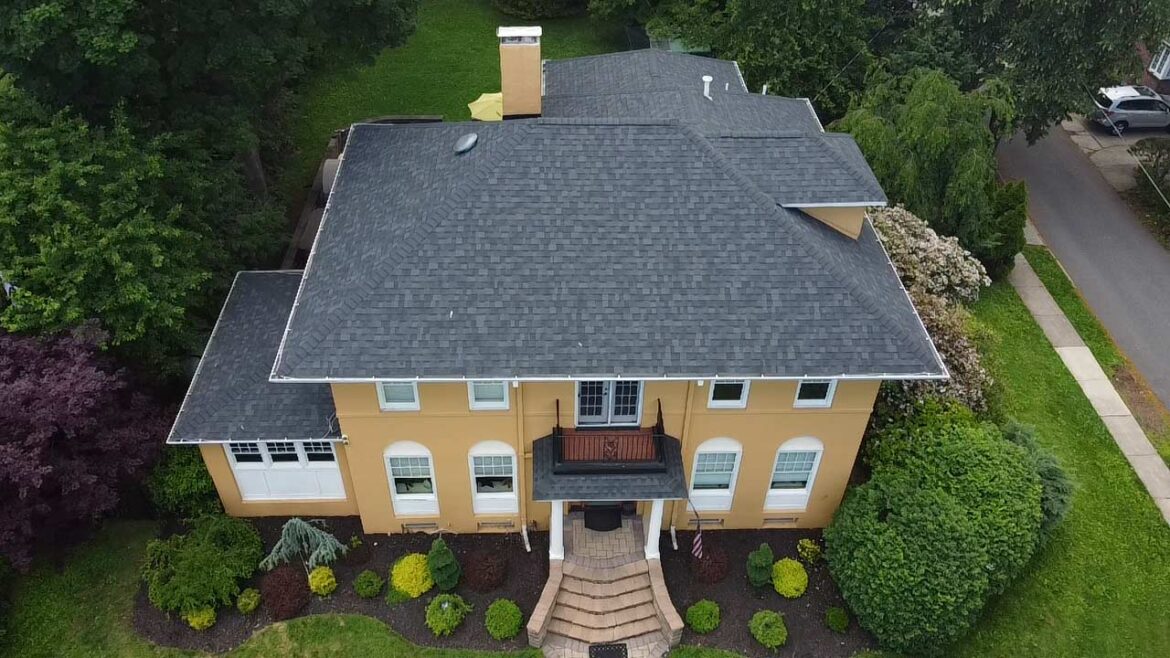
For many homes, architectural asphalt shingles remain a strong option because they balance cost, durability, and appearance. When installed with proper underlayment, flashing, ventilation, and ice-and-water protection in vulnerable areas, they perform well across a wide range of residential roof designs. But product selection still matters. Not all shingles offer the same wind ratings, impact resistance, or warranty terms.
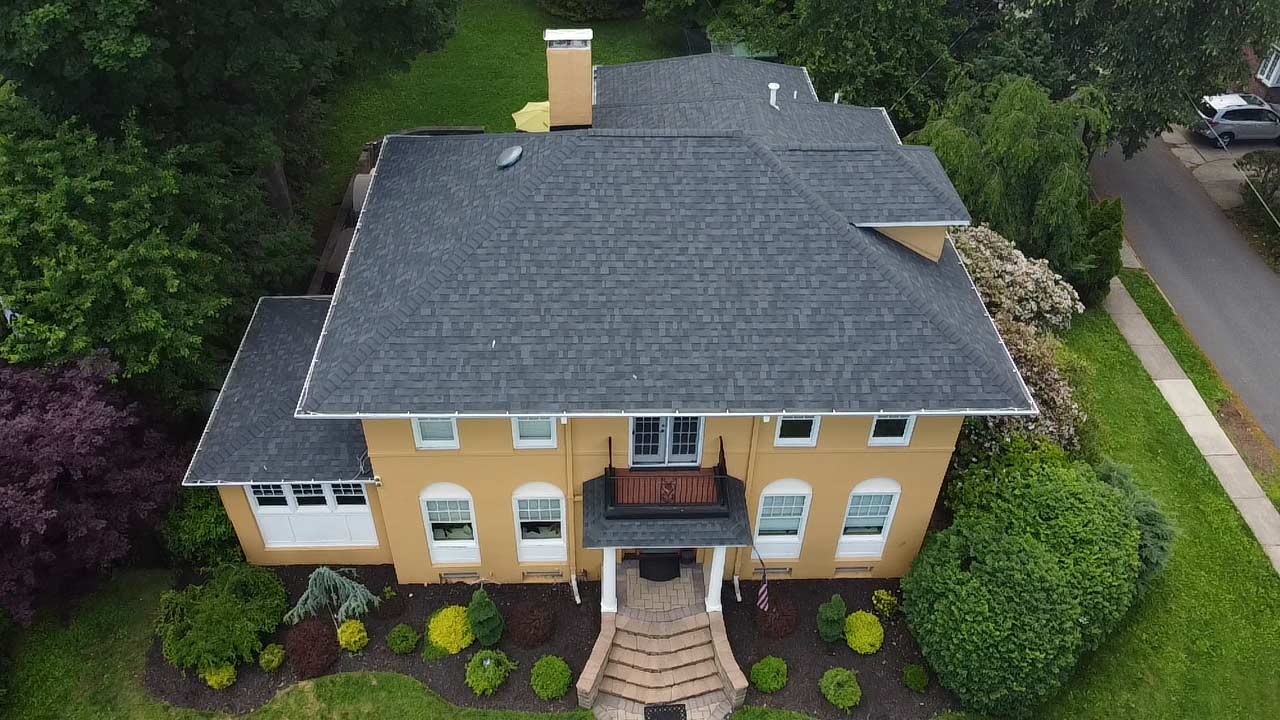
Older or more distinctive homes may benefit from specialty materials depending on slope, design, and budget. The right fit depends on how the house is built and how exposed it is to surrounding weather patterns.
On commercial properties, low-slope roofing systems need to be chosen with drainage, foot traffic, maintenance access, and building use in mind. Membrane systems can perform very well, but only if seam work, penetrations, edge details, and insulation considerations are handled correctly. A supposedly premium material installed poorly won’t outperform a simpler system installed with real care.
That’s the point many property owners miss. Material matters, yes, but system design and workmanship matter just as much. In Essex County, where roofs are expected to handle everything from January ice to August heat, the best-performing roof is usually the one that has been matched carefully to both the building and the climate.
How Quality Workmanship And Written Guarantees Reduce Long-Term Risk
Roofing is one of those trades where hidden details matter enormously. A roof can look neat from the street and still fail early because of poor flashing integration, shortcuts around penetrations, bad ventilation planning, or sloppy seam work. That’s why workmanship isn’t a marketing phrase, it’s a long-term cost factor.
Quality workmanship reduces the likelihood of leaks, premature wear, callbacks, interior damage, insulation issues, and disputes over what was or wasn’t included in the job. It also improves the odds that the roof performs as the manufacturer intended. Even strong materials can be compromised by weak installation practices.
Written guarantees matter for similar reasons. They set expectations clearly and document the contractor’s commitment to the work performed. For property owners, that creates a layer of accountability that verbal assurances simply can’t match. If a company is vague about coverage, scope, or workmanship protection, that hesitation should raise questions.
Read more: Useful tips for your roof repair
At Gikas Roofing NJ, written guaranteed results are part of the value we aim to provide because trust is easier to build when the terms are clear. For homeowners and commercial clients alike, the goal isn’t just getting a roof installed. It’s reducing future uncertainty.
A lower bid can look attractive at first. But when workmanship is inconsistent and protections are unclear, the long-term risk often costs much more than the initial savings.
Common Roofing Problems Found Across Essex County Properties
Essex County properties show a fairly consistent set of roofing issues, though the cause isn’t always obvious at first glance.
Leaks around chimneys, flashing, skylights, and vent penetrations are especially common, particularly on older homes where details have been repaired multiple times over the years. Valleys are another frequent trouble spot because they channel large volumes of water and can fail quickly if shingles, flashing, or underlayment were installed incorrectly.
We also see missing or lifted shingles after wind events, moisture intrusion tied to ice dams, gutter-related overflow problems, and ventilation deficiencies that trap heat and humidity in the attic. That last issue tends to be underestimated. Poor ventilation can contribute to shingle deterioration, condensation, mold risk, and higher energy strain.
On commercial roofs, common problems include ponding water, seam separation, flashing failures at parapet walls, punctures from rooftop traffic, and leaks that travel across the deck before appearing indoors. That can make the source seem mysterious when it’s really a drainage or membrane-detail issue.
One pattern stands out across both residential and commercial properties: small defects often become expensive because they go unaddressed too long. A minor flashing gap can become decking damage. A small membrane puncture can become widespread moisture intrusion. In roofing, delay tends to magnify cost.
How To Choose The Right Roofing Contractor In New Jersey
Choosing a roofing contractor shouldn’t come down to who knocks on the door first after a storm or who offers the lowest number on a rushed estimate. In New Jersey, especially in areas with older housing stock and varied property types, the better choice is usually the contractor who evaluates the property carefully, explains the scope clearly, and has a process built for real conditions.
Read more: 6 things you need to know before replacing your roof
Start with basics: licensing, insurance, experience with both the roofing material and the building type, and a local track record. Then go deeper. Does the contractor understand how Northern New Jersey weather affects roof performance? Are they accounting for ventilation, drainage, flashing details, and staging logistics? Can they explain why they’re recommending repair versus replacement?
Communication matters more than many people expect. If a contractor is hard to reach before the job, vague in writing, or dismissive of reasonable questions, that usually doesn’t improve once the project begins. Clear proposals, documented scope, realistic timelines, and written guarantees are all good signs.
We’d also suggest looking at whether the company treats roofing as a system. Contractors who focus only on the visible surface often miss the hidden causes of failure. The right roofing contractor in New Jersey should make you feel informed, not pressured.
In a market full of quick promises, professionalism is often easiest to spot in the details.
Conclusion
Roofing decisions in Essex County are rarely simple, and that’s exactly why experience, planning, and honest evaluation matter so much. Whether you’re dealing with an older home, a weather-exposed commercial property, or a roof that’s showing signs of age after another New Jersey winter, the right next step starts with understanding the condition of the entire system, not just the visible symptom.
At Gikas Roofing New Jersey, we believe property owners deserve clear recommendations, careful staging, thorough inspections, and workmanship backed by written guarantees. That approach helps reduce surprises and supports better long-term outcomes for both homes and businesses.
If you’re weighing roof repair, replacement, or a professional inspection, take the time to choose a contractor who understands Northern New Jersey’s building stock and climate realities. The roof over your property has a big job. It should be built, and evaluated, accordingly.
Key Takeaways
- Gikas Roofing New Jersey specializes in tailored roofing solutions that address the unique climate challenges and structural complexities of Essex County properties.
- Thorough inspections and clear communication are essential for distinguishing between roof repairs and full replacements, helping property owners make informed decisions.
- Residential and commercial roofing needs differ significantly, requiring expertise in materials and systems that perform well in Northern New Jersey’s freeze-thaw cycles, wind, and moisture conditions.
- Pre-project planning and careful staging protect your property and ensure efficient, low-disruption roofing projects in dense neighborhood settings.
- Quality workmanship and written guarantees from Gikas Roofing New Jersey reduce long-term risk by ensuring durable performance and clear accountability.
- Choosing the right roofing contractor means prioritizing local experience, system-based roofing approaches, and transparent communication over low bids or quick promises.
Frequently Asked Questions about Gikas Roofing New Jersey
What makes roofing in Northern New Jersey different from other regions?
Northern New Jersey roofs must withstand freeze-thaw cycles, heavy snow, wind-driven rain, ice buildup, and humidity, along with the challenges of older buildings. These factors require expert roofing solutions tailored to local climate and property type.
What residential roofing services does Gikas Roofing New Jersey offer?
Gikas Roofing provides asphalt shingle replacement, leak diagnosis, flashing repair, ventilation improvements, gutter corrections, and targeted repairs around chimneys, skylights, and valleys for residential properties.
How do I know if I need a roof repair or a full replacement?
If damage is localized and the roof is generally sound, repair may suffice. Widespread, recurring issues, brittle materials, or roofs at their service life’s end often require replacement. A thorough inspection by Gikas Roofing helps determine the best option.
Why is workmanship and written guarantees important when hiring a roofing contractor in New Jersey?
Quality workmanship prevents leaks and premature wear, while written guarantees document contractor commitments, reducing long-term risks. Gikas Roofing emphasizes both to ensure durability and customer peace of mind.
How does Gikas Roofing handle roofing inspections in Essex County?
They perform comprehensive inspections assessing shingles, flashing, ventilation, drainage, attic conditions, and hidden moisture. Clear explanations help property owners understand findings, urgency, and repair options.
What are common roofing problems faced by Essex County properties?
Common issues include leaks around chimneys and skylights, damaged valleys, missing shingles from wind, ice dams causing moisture intrusion, gutter overflow, and poor attic ventilation leading to shingle deterioration and mold risk.
Read More:
- egine.gr
- Unlocking Santorini: The Ultimate Guide To Premium Private Tours
- ANT1 FM: Η Γλώσσα της Αξιόπιστης Ενημέρωσης
- Sales Enablement και Marketing-Sales Alignment στο Digital Marketing: Πώς Συντονίζετε τις Δύο Ομάδες για Pipeline Growth
- Σύμβουλος SEO Evolution: Πώς Άλλαξε το SEO τα Τελευταία Χρόνια
- Κατασκευή Ιστοσελίδας για Οινοποιείο: Πώς να Συνδυάσετε Wine Tourism και Online Πωλήσεις Κρασιού